Thin on the outside, fatty liver on the inside: How does that happen?
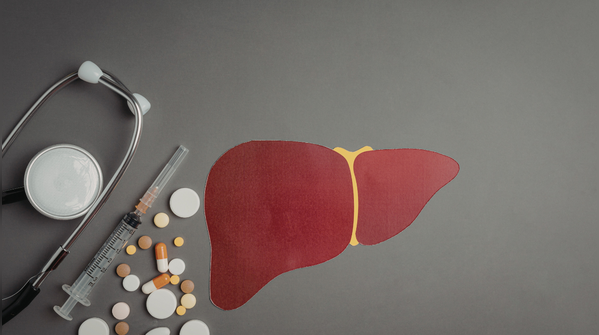
A flat stomach and a healthy weight often feel like proof of good health. But doctors now warn of a quiet problem hiding behind many “normal” bodies: fatty liver disease. It happens when fat builds up in the liver, even in people who look slim. This condition is called lean fatty liver or lean NAFLD (Non-Alcoholic Fatty Liver Disease). It is real, rising fast, and mostly missed because it does not match how people imagine illness should look.

What exactly is fatty liver disease?
Fatty liver disease means more than 5 percent fat has collected inside liver cells. The liver then struggles to do its basic jobs, like filtering toxins and managing sugar and fat. Over time, this fat can cause swelling, scarring, and even liver failure. The worrying part is that early fatty liver rarely causes pain. Many people discover it by accident during routine blood tests or scans.
How can thin people get a fatty liver?
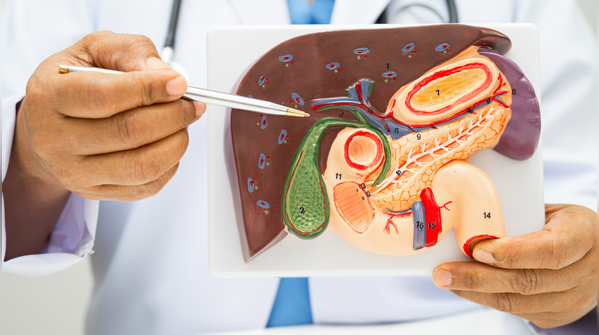
Weight alone does not decide liver health. Many thin people have high body fat inside, especially around organs. This is called visceral fat. A person may look lean outside but still carry fat where it harms the liver most. Studies show that genetics, poor diet, long sitting hours, and stress can damage the liver without changing body weight much.
A study by the US National Institutes of Health (NIH) explains that insulin resistance can occur even in lean people, pushing fat straight into the liver instead of storing it under the skin.
Dr Sharad Malhotra, Senior Consultant & Director-Gastroenterology, Aakash Healthcare said, “Many people think that a fatty liver is only a problem for overweight or obese individuals. However, we are observing a disturbing trend in India. It is the rise of non-alcoholic fatty liver disease (NAFLD) in people who appear slim. So, a person may look healthy but still have fat accumulating in the liver, which can lead to inflammation, fibrosis, and even liver failure.”
The silent role of diet and sugar
Many slim people eat less food but not better food. Packaged snacks, fruit juices, white bread, and sugary tea feel harmless because they do not cause weight gain quickly. But excess fructose and refined carbs directly stress the liver. The liver converts extra sugar into fat, which then stays trapped there. Over years, this habit quietly builds liver fat without changing the weighing scale.
A study published in the journal Hepatology Communications has linked high sugar intake to metabolic diseases, including fatty liver.
Dr Malhotra added, “NAFLD has a strong association with lifestyle factors. A sedentary lifestyle and a diet rich in refined carbohydrates, sweet beverages, and fried or processed foods can contribute to the accumulation of fat in the liver, even in people who are slim. Stress, irregular sleep, and avoiding physical activity can further worsen the condition. Additionally, genetic factors mean that some slender people are at higher risk than others. In India, a diet that is increasingly dominated by refined wheat, rice, sweets, and fried snacks, with a lack of physical activity, has made is a public health issue. Being thin does not automatically mean being healthy.”
Genes, gut health, and Indian risk
South Asians face a higher risk of fatty liver at lower weights. Research published in The Lancet shows that Indians tend to store fat in the abdomen and liver rather than hips or thighs. Poor gut health also adds to the problem. An unhealthy gut sends harmful signals to the liver, increasing inflammation and fat storage.
Stress, sleep, and sitting too long
Modern life keeps bodies thin but unhealthy. Long desk hours slow down metabolism. Chronic stress raises cortisol, which pushes fat into the liver. Poor sleep worsens insulin resistance, even in people who exercise sometimes. These hidden lifestyle factors explain why fatty liver is now seen in young professionals, students, and even athletes who train but recover poorly.
As philosopher Friedrich Nietzsche once said, “Those who were seen dancing were thought to be insane by those who could not hear the music.” Liver disease works the same way: invisible until the damage becomes loud.
Can fatty liver in thin people be reversed?
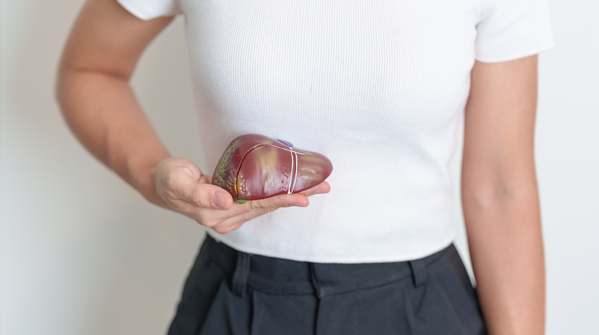
Yes, especially when caught early. The liver has a rare ability to heal. Change begins with food quality, not starvation. Whole grains, pulses, vegetables, nuts, and healthy fats support liver repair. It’s more important to exercise regularly than to work out hard once a week. The liver processes sugar more effectively when you walk after eating. The liver can heal if stress is controlled and you get 7-8 hours of sleep per night.
Doctors say that fatty liver improves before weight changes appear, which shows healing is happening inside first.
Lastly Dr Malhotra explained, “Simple habits, such as walking and eating right, can go a long way in cutting liver fat. Annual health check-ups are essential for early diagnosis. Thin people are not necessarily healthy. The best weapons against having “fatty liver on the inside” are awareness, diet, and lifestyle.”
Why early testing matters more than appearance
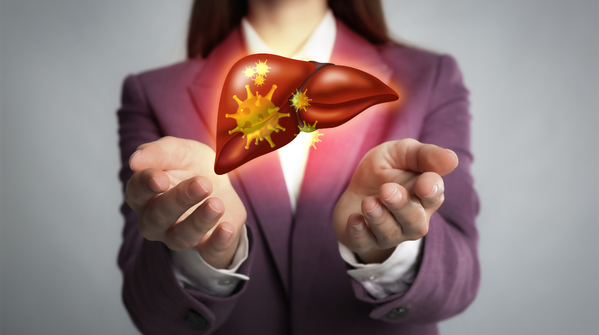
Simple blood tests, ultrasound scans, and medical advice can detect fatty liver early. Ignoring it can lead to diabetes, heart disease, and liver cirrhosis later. Health is not about being thin. It is about how organs function quietly, day after day.
Medical experts consulted
This article includes expert inputs shared with TOI Health by:
Dr Sharad Malhotra, Senior Consultant & Director-Gastroenterology, Aakash Healthcare.
Inputs were used to explain why lean individuals can develop non-alcoholic fatty liver disease (NAFLD) and how diet, exercise, and regular health check-ups can help reverse liver fat early.