How Fibremaxing can help fix cholesterol, diabetes, weight and gut issues
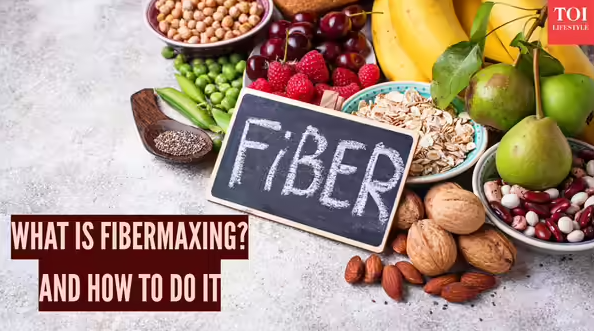
Fibermaxing means loading your meals on purpose with more fiber-rich foods, than you eat now, meal after meal, day after day. Instead of counting calories or cutting whole food groups, one is focused on incorporating the food plate with veggies, whole grains, pulses, nuts, seeds, and fruit. That one shift touches almost every major metabolic pathway in the body; that’s why higher fiber intake always correlates with better cholesterol, blood sugar, weight, and gut health in large studies.

How fiber helps cholesterol and the heart
Soluble, gel-forming Fiber-mainly from oats, barley, psyllium, beans, lentils, flax, chia, fruit including apples and citrus-binds bile acids and cholesterol in the intestines and transports these out of the body. In turn the liver must pull more LDL cholesterol out of the blood to make new bile.
Over time-this reduces LDL levels. Analysis in 2023 showed that supplements of soluble fiber significantly lowered LDL levels, while several cohort studies have reported that for every 7–10 grams of additional fiber per day, there is a clinically significant reduction in cardiovascular risk.
One classic trial reported that men consuming the most fiber had about half the risk of fatal heart attack compared with those consuming the least.
Besides, fibermaxing has benefits on other risk factors of the heart. A big meta-analysis showed that increasing fiber intake lowers total cholesterol, LDL and triglycerides, blood pressure, and markers of insulin resistance, even among people who already have heart disease or hypertension. In practical terms, that means a high fiber pattern is working on several levers at once-not only the cholesterol number on the lab report.

Fiber is a quiet blood sugar stabilizer.
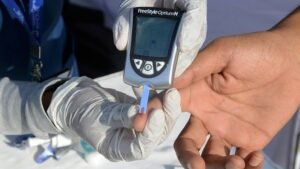
Of all the nutrients at one’s disposal for-prediabetes or type 2 diabetes, fiber is perhaps the most underappreciated. These soluble and viscous fibers slow gastric emptying and delay carbohydrate absorption, which in turn blunts post-meal sugar spikes and reduces the resultant insulin surge. The CDC–has referred to fiber as “the carb that helps you manage diabetes” because it helps block some fat and cholesterol absorption and stabilises glucose.
Systematic reviews of randomised trials in people with type-2 diabetes show that increasing fiber lowers fasting blood glucose and–HbA1c enough that experts recommend it as a standard part of diabetes management. More recent work in newly diagnosed patients found that higher total and whole grain fiber intake was associated with better beta cell function, better insulin sensitivity and better post–meal glucose control over 48 weeks, on top of medication. fibermaxing here looks like adding dal or beans to most main meals, choosing whole grains-and building big salads or veg bowls around your carbs.