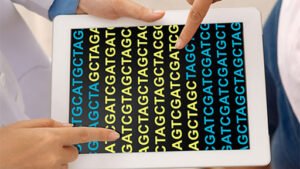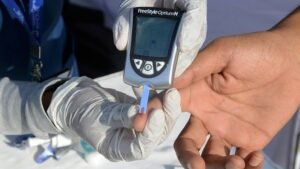

Genetic testing looks at DNA. DNA is the set of instructions for how the body works. Genetic testing can show DNA changes in genes that may affect health. Healthcare professionals also can use genetic testing to choose treatments or see how well treatments might work.
Genetic testing can give important information for screening, diagnosing and treating health conditions, but it has limits. For example:
- A positive result doesn’t always mean that you’ll get the condition.
- A negative result doesn’t always mean that you won’t get the condition.
Talk with your healthcare professional, a medical geneticist or a genetic counselor before and after genetic testing to understand what the results mean for you.
Whole genome sequencing
When genetic testing is negative, or the results aren’t clear but a genetic cause is still suspected, some facilities offer more testing, such as whole genome sequencing.
Everyone has a unique genome, made up of the DNA in all of a person’s genes. Whole genome sequencing is a process for analyzing a sample of DNA. A sample is taken from blood or other sources such as saliva, a cheek swab or cells from the skin.
This complex testing can help identify genetic differences that may affect your health.
Products & Services
Why it’s done
Genetic testing can look at the risk of getting certain health conditions. Testing also can be used for screening, diagnosis and sometimes planning for medical treatment. Different types of genetic testing include:
- Diagnostic testing. When symptoms could be related to a condition caused by gene changes, genetic testing can help diagnose the suspected condition. For example, genetic testing can confirm a diagnosis of cystic fibrosis or Huntington’s disease.
- Predictive testing. If you have a family history of a genetic condition, genetic testing before you have symptoms may show if you’re at risk of getting the condition. For example, predictive genetic testing may show your risk of certain types of colorectal cancer.
- Carrier testing. You might choose to have genetic testing before having children if there is a history of an inherited condition or if you want to know your risk of certain hereditary diseases. This testing can show if you carry certain gene changes and could pass on a condition to your children. For example, you may have carrier testing if your family has a history of cystic fibrosis or if you’re in an ethnic group that has a high risk of a specific genetic condition, such as sickle cell anemia. Carrier testing also can tell if you and your partner both have gene changes for the same health conditions. An expanded carrier screening test can find genes linked with a wide variety of genetic conditions.
- Prenatal screening tests and diagnostic tests. Screening tests during pregnancy can show what the chances are that a baby has gene changes. Some prenatal screening tests look at genetic markers in a pregnant person’s blood. The prenatal cell-free DNA screening test uses a blood sample from the pregnant person to look at the baby’s DNA to help estimate the risk of Down syndrome and trisomy 18 syndrome, for example.
Prenatal diagnostic tests can tell if a baby has certain genetic conditions. Diagnostic tests such as amniocentesis or chorionic villus take a sample of amniotic fluid from around the baby or tissue from the placenta to detect a genetic condition.
- Newborn screening. In the United States, all states require that newborns be tested for some genetic and metabolic changes that cause specific health conditions. Newborn screening can find conditions early so that treatment can begin right away to prevent complications. For example, newborn screening can suggest the presence of sickle cell anemia and phenylketonuria, also called PKU.
- Preimplantation testing. Also called preimplantation genetic diagnosis, this test may be used when trying to conceive a child through in vitro fertilization, also known as IVF. The embryos are screened for some genetic changes or a known genetic condition in the family before they’re implanted in the uterus.
- Pharmacogenetic testing. Also called pharmacogenomic testing, this genetic testing may help decide on the best medicine and dose for you. This type of testing is not routine. Ask your healthcare professional for more information.
Consumer genetic testing
You can buy consumer genetic tests without a prescription and send in a sample of saliva from your home. These also are called direct-to-consumer (DTC) genetic tests. Typically, you spit into a tube and send the sample to a company for testing. You may get your results in a letter or by visiting a webpage that’s protected by a password. The tests can tell you about your family history. Some tests give health-related information, but it may not be accurate. Clinical genetic testing by healthcare professionals is more accurate.
It’s not always clear what DTC genetic tests say about your health. Many factors specific to you may not be part of the results. The tests don’t always give clear answers about your health and shouldn’t be used to make medical decisions.
Before you use a DTC genetic test, check:
- What kind of results you’ll get.
- How accurate the test is.
- What happens to your DNA sample.
- The company’s privacy policy.
Talk with your healthcare professional or a medical geneticist or genetic counselor about the best genetic tests for you. These professionals also can help you understand the results.