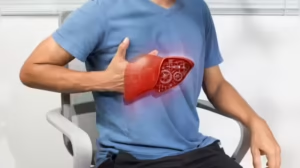

Polycystic ovarian syndrome affects millions of women in India, often leading to weight gain and metabolic stress. While there are many modern treatments, more women are choosing Ayurveda for long-term holistic care addressing their metabolic issues like weight gain, internal imbalance linked with gut biome, digestion, hormones and toxic buildup.Ayurveda connects PCOS to an imbalance of three Doshas along with the issue of slow metabolism leading to Rasa dhatu impurity impacting the Arthava or menstrual cycle, accumulation of ama, impaired function of fatty tissues, liver and muscles, which is seen as symptoms of insulin resistance. Higher androgens and reduced sex hormone-binding globulin in the liver lead to more free and active testosterone circulating in women’s blood, accelerating insulin resistance.
Israel Iran War
- US-Israel-Iran War News Live Updates: US pounds Iranian missile sites near key Strait of Hormuz; Iran rains down cluster bombs on Tel Aviv
- Iran confirms death of national security chief Ali Larijani, president Pezeshkian offers condolences
- ‘Posed risk to shipping’: US says it hit Iran missile sites near Strait of Hormuz with 5,000-pound munitions
Symptoms like abdominal fat, fatty infiltration in the liver, higher insulin resistance, excessive facial hair, skin tags, black discolouration around the neck and face, etc., are natural consequences in POCD, which also poses certain cosmetic challenges for women and may reduce their self-esteem.
Yoga Promotes Hormonal Balance for Women with PCOS
The science of Ayurveda has sub-classified each of us into three major body types: Vata, Pitta, and Kapha. A Vata type of PCOD woman exhibits symptoms like irregular bleeding, scanty menstrual flow, painful menstruation, constipation, bloating and gas, dry skin, hair fall, and, often, infertility due to failure of ovulation.
Pitta type of PCOD women show symptoms of acne, oily skin, hirsutism , male pattern, hair loss, heavy bleeding, flushing, irritability, anger, and dark pigmentation. Whereas a kapha-type woman having PCOD shows weight gain , delayed or absence of periods associated with different types of thick and sticky vagina discharge, lethargy, fatigue, low motivation, breast heaviness, higher insulin resistance, excessive sleep, and sluggish digestion.In Kapha Dosha involved with PCOD, the treatment focuses on reducing Kapha and Meda using herbs like Kanchanara , Gulggulu, Tila, Shilajit, and Musta to resolve the cystic manifestation, improve insulin sensitivity and promote weight loss. The type of PCOD therapy aims to normalise vata, improve the gut microbiome, and support ovulation with herbs like Ashwagandha, sathavari, Dashamoola and Vidari. In Pitta type of PCOD, hormonal modulation plays a major role, and herbs with cold potential, such as Lodra, Manjistha, Neem, Guduchi, and Satavari, are used to manage hyperandrogenism and inflammation. Shatapushpa is considered an herb for creating cycles and promoting overall ovulation. Ayurvedic management integrates herbal therapy, metabolic correction and lifestyle regulation rather than a single standardised protocol.Dietary regulation is a central theme of Ayurvedic treatment. Foods that are light, easy to digest, and metabolism-friendly are to be encouraged. Barley, unpolished rice, Greengram, horsegram, and vegetables with bitter or pungent tastes, like bottle gourd, ridge gourd, ash gourd, and pumpkin, are good for such conditions. Warm water is preferred over cold beverages; refined flour, sugary foods, fried items, alcohol, and highly processed foods are discouraged; and honey is considered a good natural sweetener when used in moderation.Lifestyle modifications like a daily routine of physical activity, such as walking, yoga, breathing exercises, and any activity which makes you sweat and burn calories, are very important to regulate your hormonal system and metabolism. Sleeping during the daytime or not sleeping at night. Both create hormonal and metabolic imbalances. Following intermittent fasting and calorie restriction is very important for regulating your weak metabolism and addressing insulin resistance.Panchkarma plays a role in Ayurveda-based management of PCOD. In Ayurveda, we customise therapy based on the patient’s individual Prakriti and Vikriti. So it means all PCOD cases are not the same . Panchkarma is used to detoxify, restore Agni, clear channels and rebalance the Dosha. Panchkarma therapy for PCOD aims at detoxification, metabolic correction and hormonal regulation. Preparatory procedures such as Snehapana and Swedana help mobilise toxins back into the gut. Vamana is used in Kapha-dominant PCOD to improve fat metabolism and cystic conditions due to metabolic and hormonal imbalance. Virechana is indicated in Pitta-dominant cases to detoxify the liver and address insulin resistance. Hyperandrogenism. Basti, especially Niruha and uttar vasthi, are the most important therapies as they regulate Apana Vata, improve pelvic circulation, promote ovulation and normalise menstrual cycles. Panchkarma provides long-term systematic correction rather than symptomatic relief.One of Ayurveda’s key strengths is a personalised approach; no single diet or medicine suits everyone. Temporary ups and downs in weight loss are normal, and the ultimate goal should be to improve energy levels, a regular menstrual cycle, better digestion, and emotional well-being rather than just a slimmer appearance.